

Table of Contents
Rewa Planters Union
Local voice, national stakes. Formed in 1943 to represent growers in the Nausori–Rewa belt during wartime cane inquiries.
Key Facts
Founded
14 July 1943 at a mass meeting of Rewa farmers.
Base
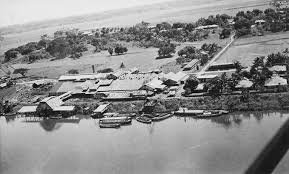
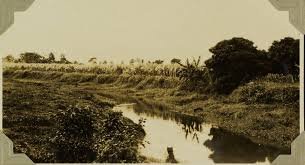
Nausori–Rewa cane belt, east Viti Levu.
Key function
Representation in cane price inquiries, wartime commissions, and contract negotiations.
Decline
Wound down after Nausori mill closed in 1959.
Founding & Key People
The Rewa Planters Union emerged in 1943, when farmers east of Suva felt excluded from the political and industrial activism of the western cane belt. While the Kisan Sangh and Maha Sangh were clashing with CSR in Ba, Lautoka and Nadi, growers in Nausori and Rewa were relatively isolated. A mass meeting on 14 July 1943 established the union, appointing district secretaries to liaise with commissions of inquiry into cane prices and labour practices. These leaders, mostly smallholders, became the first sustained voice of eastern Viti Levu farmers.
Why It Mattered
The Union’s appearance was more than regional—it was a constitutional demand for parity. For too long, Fiji’s sugar politics had been seen through the lens of the Western Division. The Rewa Planters Union inserted Nausori growers into the national story, ensuring that contracts, pricing and milling policy could not be settled without hearing the east. Its submissions to commissions stressed the higher transport costs and land constraints unique to the Rewa delta.
Flashpoints & Campaigns
- 1943–44: Represented eastern farmers before wartime cane commissions, demanding fairer prices and recognition of local conditions.
- 1950 contract: Submitted evidence to the commission that shaped the post-war pricing formula, making sure Nausori’s interests were not overlooked.
- 1959: Closure of the Nausori mill ended cane farming as a dominant livelihood in the district, leaving the Union without a base.
Milestones
Timeline
1943
Union founded after mass meeting in Rewa.
1944
First submissions to cane price inquiries; district secretaries act as spokesmen.
1950
Union testimony considered in shaping new contract terms.
1959
Nausori mill closure → Union ceases activity; growers dispersed to other livelihoods.
Today
The Union no longer exists. Yet its brief life left behind valuable records in commission proceedings, now preserved in Fiji’s archives. For historians, they reveal the diversity of Indo-Fijian cane farming—showing that geography need not dictate justice. Farmers of Rewa proved that even small and scattered communities could organise, speak, and momentarily shape national policy.
Legacy
The Rewa Planters Union is remembered as a rare eastern counterweight in sugar politics. While short-lived, its insistence that Nausori growers be heard in price-setting foreshadowed later debates about equitable representation in Fiji’s political and industrial life.
Gallery
References
- Brij V. Lal, Broken Waves: A History of the Fiji Islands in the 20th Century (1984)
- Robert Nicole, Disturbing History: Resistance in Early Colonial Fiji (2011)
- Commission of Inquiry reports into cane contracts (1943–50), Fiji National Archives.