

Table of Contents
Indian Cane Growers Association (1919)
From grievance to action. Fiji’s first island-wide farmers’ body, the ICGA challenged CSR on prices and contracts, paving the way for strikes and unionism.
Key Facts
Founded
1919, Ba, as cane growers sought fairer prices after WWI inflation.
Leaders
Vashist Muni (Arya Samaj swami), Ba elites, district organisers.
Flashpoint
1919–21 campaign on cane prices; climaxed in 1921 strike when CSR cut bonuses.
Impact
First collective action by Indo-Fijian farmers; inspired Kisan Sangh (1937) and Maha Sangh (1941).
Origins
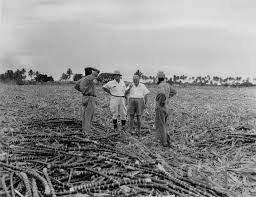
By 1919 cane farmers across Ba and Lautoka districts were agitated by CSR’s price-setting power. Wartime inflation had raised living costs but bonuses were cut. Leaders including Vashist Muni, an Arya Samaj preacher, mobilised growers into the first Indo-Fijian farmers’ association.
Milestones
Timeline
1919
Association founded in Ba; petitions for higher cane prices.
1920
Growers refuse to plant unless contracts improve; CSR resists.
1921
Strike spreads across cane belt; Vashist Muni arrested and deported, but collective action shakes CSR dominance.
Why It Mattered
The ICGA showed cane farmers could organise beyond village or caste lines. It put prices, contracts, and rights at the centre of Fiji’s politics, a template later unions expanded.
Legacy
The ICGA collapsed under repression but left behind a model of mobilisation. Later bodies—Kisan Sangh, Maha Sangh—borrowed its playbook of petitions, price boycotts and strikes.
Gallery
References
- Wikipedia — Indian Cane Growers Association
- Brij V. Lal, Broken Waves (1984) — chapter on farmers’ movements.
- Robert Nicole, Disturbing History (2011) — Indo-Fijian protest traditions.