
Table of Contents
British Indian Association (1911)
Relief, representation, and reform. The first island-wide Indo-Fijian committee was born from the great 1911 hurricane and quickly became a voice for justice and welfare.
Key Facts
Formed
1911, Suva — relief committees consolidated
into the British Indian Association after
the January cyclone.
Leaders
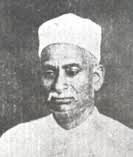
J.P. Maharaj (merchant/convenor); Totaram Sanadhya (ex-indentured reformer; author of
My Twenty-One Years in the Fiji Islands);
Ram Singh (printer/organiser).
Membership
Ex-indentured workers and free settlers
from Suva and western cane districts; coordinated with town committees
for aid distribution.
Activities
Disaster relief; petitions (1911–12) for fair
hearings in courts, access to lawyers, and wage
justice; public meetings and fundraising.
Impact
Established a model of collective petitioning
and welfare that later shaped
Indo-Fijian civic organising.
Legacy
Template for the Indian Imperial
Association (1918) and subsequent bodies that
moved from relief to political rights.
Origins
The January 1911 hurricane devastated settlements around Suva and the western cane districts. Indo-Fijian merchants, printers and ex-indentured leaders formed relief committees that quickly coalesced as the British Indian Association. The BIA coordinated food and shelter while also documenting grievances that had simmered through the indenture years.
Work & methods
- Mutual aid: Fundraising in Suva and distribution hubs in the West for food, clothing and rebuilding materials.
- Petitioning: Submissions to colonial authorities for fair access to lawyers and just treatment in magistrates’ courts; calls for wage fairness during recovery.
- Public voice: Meetings and printed circulars that framed Indo-Fijians as a community with rights as well as needs.
Flashpoints
- 1911–12 petitions: Repeated approaches to government over court processes and legal representation for Indian workers and ex-indentured people.
- Transition after 1917: With indenture abolished, attention shifted from relief toward long-term political representation.
Legacy
Though relatively short-lived, the BIA set the pattern: organise, document, petition. Its approach fed directly into the Indian Imperial Association (1918) and the wider civic movements that broadened Indo-Fijian participation in public life.
Timeline
Jan 1911
Hurricane devastates settlements; ad-hoc relief committees emerge in Suva and western districts.
1911
Relief committees consolidate as the British Indian Association (BIA) — first island-wide Indo-Fijian body.
1911–12
Petitions seek fair hearings, access to lawyers and wage justice during recovery.
1914
Sanadhya’s memoir circulates, amplifying Indo-Fijian experiences to Indian reformers and the press.
1917
Indenture abolished; community organising pivots from relief to rights.
1918 →
Indian Imperial Association founded — building on the BIA’s template.
Gallery
Sources
- Totaram Sanadhya, My Twenty-One Years in the Fiji Islands (1914).
- Early press and relief reports on the 1911 hurricane (Suva/Western districts).
- Organisational histories of the British Indian Association and Indian Imperial Association.