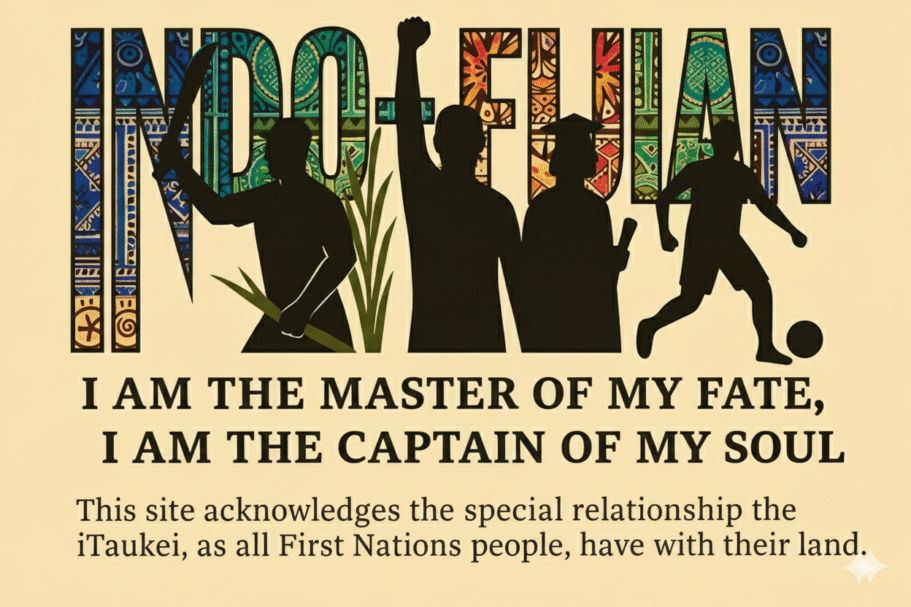

Key Moments in History
The turning points that shaped Fiji — from Girmit to independence, through coups and constitutional change, to the return of democracy.
The Leonidas docks with the first Indian indentured labourers, beginning the Indo-Fijian story.
Indenture ends; labourers become settlers and citizens, anchoring permanent communities.
Indo-Fijians enter the Legislative Council, pressing for equality and common roll democracy.
Kisan Sangh and Maha Sangh fuse labour struggle with national politics.
Fiji attains nationhood under a delicate constitutional balance.
Two coups upend democracy and trigger large-scale Indo-Fijian migration.
A racially weighted charter entrenches division and limits representation.
A fairer framework restores prospects for shared governance.
Parliament seized; institutions strained and trust tested.
Military rule leads to the 2013 Constitution and a reset of politics.
First election under the 2013 charter; a new party landscape emerges.
A peaceful coalition change — Fiji’s first democratic transfer since 2006.
“From Girmit to the ballot box, every turning point reshaped Fiji’s economy, politics and identity.”