
Table of Contents
1920 Sugar Cane Strikes: The Birth of Indo-Fijian Political Power
The year 1920 was a turning point in Fiji’s history. With the end of indenture still fresh, Indo-Fijian cane farmers rose in defiance against the Colonial Sugar Refining Company (CSR) and the colonial government. The cane strikes of 1920–21 were more than industrial disputes—they were the first organised assertion of Indo-Fijian dignity and rights. Out of these confrontations grew a tradition of farmers’ unions, political activism, and the long Indo-Fijian struggle for equality in Fiji’s nationhood.
From Girmit to Cane Farmers
When indenture ended in 1916, many ex-labourers leased land from the Colonial Sugar Refining Company. Cane was king, and CSR was the empire. The company controlled leases, cane prices, and milling operations, leaving Indo-Fijian farmers with little bargaining power. For years, grievances had simmered: low pay, unfair contracts, and the heavy hand of overseers. By 1920, anger erupted into collective action.
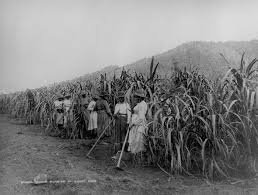
Farmers began refusing to cut cane. Entire settlements walked off fields. For many, it was the first act of defiance since Girmit—the moment when they claimed agency over their labour and dignity. The strikes quickly spread across the cane belts of Viti Levu and Vanua Levu.
Leadership and Mobilisation
Into this ferment stepped early leaders like Manilal Maganlal Doctor, a barrister from India who had been campaigning for Indo-Fijian rights since his arrival in 1912. Manilal gave voice to the frustrations of the farmers, linking their grievances to broader principles of justice and equality. The strikes also drew on the networks of village leaders, religious figures, and emerging union organisers who saw in collective action the possibility of dignity.
Though fragmented and brutally suppressed, these early movements became the seedbeds for powerful unions in the decades ahead—particularly the Maha Sangh and the Kisan Sangh.
Repression and Resistance
The colonial government, allied with CSR, cracked down. Police and troops were dispatched to cane-growing districts. Leaders were arrested and deported. Meetings were banned. The strikes were painted as dangerous sedition, threatening the colony’s stability. Yet repression only deepened Indo-Fijian resolve.
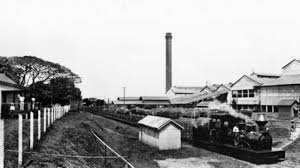
Although the 1920–21 strikes were ultimately broken, they taught crucial lessons: that Indo-Fijians could organise, that unity was their greatest weapon, and that their struggle would not be limited to wages but extend into politics. Colonial officials began to fear the “Indian problem”—a rising, restless community demanding justice.
The Rise of Farmers’ Unions
From the ashes of the early strikes rose enduring institutions. In the 1930s, A.D. Patel and Siddiq Koya built the Maha Sangh, while Ayodhya Prasad founded the Kisan Sangh. These unions fought bitterly with each other but also secured concessions from CSR and gave Indo-Fijians a platform in national politics.
The cane belt became the nursery of political leadership. Many who later entered parliament—Patel, Koya, Chaudhry—cut their teeth in union struggles, giving the Indo-Fijian movement its backbone of grassroots support.
Political Significance of the Strikes
The 1920 strikes marked more than a labour dispute. They signified the emergence of Indo-Fijians as a political force. They challenged the colonial order that had sought to keep them as compliant labourers. They forged a consciousness that dignity could be defended through solidarity, a consciousness that would carry through to independence in 1970 and beyond.
Legacy of 1920
Today, the cane strikes of 1920 are remembered as the moment Indo-Fijians first raised their collective voice. They were not yet citizens, not yet equal partners in Fiji’s future, but they had crossed a line: they would no longer accept silence. From cane fields to parliament, that voice would echo for a century, shaping the destiny of the nation.