

Table of Contents
Migration & Remittances — From Exodus to Lifeline
For every Indo-Fijian family that stayed to cut cane, teach, or trade, another sent children
abroad. What began as trickles after the 1950s became a flood after Fiji’s political coups.

Today, more than half of Indo-Fijians live outside Fiji. Yet their wages, savings, and
remittances flow back across the Pacific, funding schools, mortgages, shops, and ceremonies.
Migration scattered the community; remittances stitched it back together.
Early Pathways Abroad
Indo-Fijian migration began modestly in the mid-20th century. Teachers and doctors sought further training in India, Australia, or Britain, often returning home. Cane farmers’ children studied abroad on scholarships and sometimes settled permanently. By the 1970s, small Indo-Fijian enclaves existed in Auckland, Sydney, and Vancouver, seeded by families who saw little future in cane leases.
The United Kingdom briefly offered opportunities under Commonwealth labour schemes; Canada
accepted Indo-Fijians under skilled migrant quotas; Australia opened pathways for nurses and tradesmen. These early migrants laid networks of kinship and trust that later waves would rely
on for accommodation, jobs, and orientation.
The 1987 Exodus
Fiji’s first military coups in 1987 transformed trickles into an exodus. Thousands of Indo-Fijian professionals, fearful of racial politics and uncertain futures, left for Australia, New Zealand, Canada, and the U.S. Classrooms lost teachers overnight; hospitals lost doctors; cane farms lost sons and daughters. The phrase “brain drain” entered common
speech.
Families split. Parents stayed to tend leases; children left to secure futures. Departure lounges at Nadi became emotional theatres: tears at the gate, letters in pockets, photos tucked in Bibles and Ramayanas. Migration became not an option but a survival strategy.
“We did not leave to forget Fiji. We left to keep Fiji alive for those who remained.”
Remittances as Survival
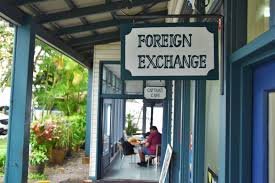
By the 1990s, remittances overtook sugar as Fiji’s largest source of foreign exchange. Money arrived through Western Union, bank drafts, and later online transfers. A few hundred dollars from Sydney paid school fees in Ba; a cheque from Vancouver roofed a house in Labasa; a deposit from Auckland bought a taxi permit in Nadi. These flows stabilised households facing lease expiry, unemployment, or medical bills.
Entire villages became transnational economies. A wedding in Tavua was co-funded by cousins in
California; a temple in Lautoka was rebuilt with donations from London. The diaspora did not merely send money; it sent continuity.
Remittances rose from F$200 million in 2000 to over F$800 million by 2020.
More than half of Indo-Fijians now live outside Fiji.
Remittances consistently exceed sugar export earnings.
Women and Migration
Indo-Fijian women played central roles in migration stories. Nurses found ready pathways to New Zealand, Australia, and Canada. Daughters joined garment workforces in Sydney or Toronto. Women often became remittance managers, wiring funds, budgeting for relatives, and investing
in Fiji homes. Migration expanded their autonomy but also increased responsibilities —
bridging economies across oceans.
Case Study: A Ba Family
In the late 1980s, a family in Ba sent its eldest son to Sydney as a mechanic. Within two years he sponsored his brother, then his sister as a nurse. Parents stayed behind, farming a leased plot. Every month envelopes of Australian dollars arrived. With them the family paid rent, bought a tractor, and built a concrete house. Thirty years later, half the family lives in Australia, but the Ba homestead remains the anchor, roofed and furnished by remittances.
New Generations Abroad
The children of migrants became citizens of their new countries — Australians, Canadians, New
Zealanders. Many never lived in Fiji, yet their grandparents’ stories kept ties alive. Diaspora youth groups fundraised for cyclone relief; sports clubs in Auckland sent gear to Lautoka; university students visited ancestral villages on service trips. The Indo-Fijian identity stretched across passports but retained its core.
Early skilled migration: teachers, doctors, small student cohorts abroad.
First coups trigger exodus of professionals and families — “brain drain.”
Remittances surpass sugar; diaspora entrenched in Australia, NZ, Canada, US.
Transnational Indo-Fijian identity — remittances, networks, and dual citizenship.
The Double-Edged Sword
Migration brought prosperity but also loss. Fiji lost teachers, doctors, engineers — weakening capacity. Villages lost youth, temples lost volunteers, schools lost alumni. The diaspora gained security but sometimes at the cost of cultural dilution. The tension between staying and leaving remains the emotional heart of Indo-Fijian modern history.
“Remittances built houses, but they also built the emptiness of villages.”
Today’s Patterns
Migration continues, though pathways have changed. Students pursue degrees at Australian and
New Zealand universities, often staying after graduation. Skilled visas favour nurses, accountants, and IT professionals. Remittance channels are instant and digital: apps replace envelopes, but the ritual of sending money on Friday evenings remains.
At the same time, return visits surge during holidays and festivals. Airplanes full of diaspora families land in Nadi for weddings, funerals, and Diwali. Suitcases carry not just gifts but identities — affirmations that Fiji remains home even for those with foreign
passports.