

Table of Contents
Economy — The Indo-Fijian Contribution
From cane to conglomerates, Indo-Fijians have carried Fiji’s economy through every era. Their story runs from the sweat of indentured labourers to the remittances of a global diaspora, from small shops to multinationals, from unions to cabinet rooms. Explore the full arc of their contribution through the sections below.
How indentured labourers (1879–1920) turned cane into Fiji’s backbone industry — and planted the seeds of resistance and resilience.
After indenture, Indo-Fijians became tenant farmers. Leases, co-ops, and schools turned settlements into permanent cane belt villages.
From Ayodhya Prasad’s Kisan Sangh to A.D. Patel’s Maha Sangh, cane unions forged Indo-Fijian political identity and national influence.
Corner shops, markets, and high streets became Indo-Fijian economic anchors, creating cashflow, credit, and community trust.
Education propelled Indo-Fijians into teaching, law, medicine, industry, and finance — reshaping Fiji’s professional landscape.
Coups drove Indo-Fijians abroad. Remittances soon outstripped sugar, turning exile into Fiji’s lifeline and scattering identity across oceans.
From finance and ICT to tourism and politics, Indo-Fijians now shape Fiji’s globalised, service-driven economy.
Through the Generations
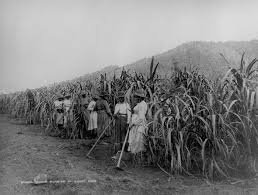

Indo-Fijian history in the economy is not a single story but a series of reinventions. Labour became tenancy; tenancy became shopkeeping; shops funded degrees; degrees seeded industries; migration produced remittances; remittances fuelled investments. Each stage layered resilience upon resilience, linking the past to the present.
“From cane cutters to coders, from village bazaars to global boardrooms — Indo-Fijians have kept Fiji’s economy alive.”