
Table of Contents
1916: The Abolition of Indenture — From Girmit to Settlement
On 1 January 1920, the last Indian indenture contracts in Fiji expired. Four years earlier, in 1916, the British government had formally abolished the indenture system after mounting pressure from reformers in India and abroad. For Fiji, the abolition marked the end of an era of bonded labour and the beginning of a new struggle—transforming Girmitiyas into free settlers, and Indo-Fijians into a permanent community that would redefine the colony’s politics and future.
Why the Indenture System Fell
The indenture system was collapsing under global scrutiny by the early 20th century. In India, leaders like Gopal Krishna Gokhale, Mohandas K. Gandhi, and women reformers such as Katherine Mayo and Annie Besant condemned indenture as a “new slavery.” Newspapers in Calcutta and London carried exposés of abuse, from beatings on plantations to high mortality rates among women and children. The Indian nationalist movement turned the campaign against indenture into a moral cause.
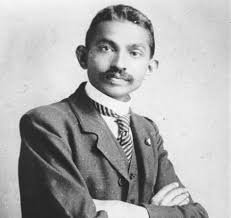
linked to the fight against indenture. Wikimedia Commons
By 1915, the government of India itself opposed sending labourers overseas. The First World War accelerated the change: Britain, fighting for Indian loyalty, could not defend a system seen as degrading millions of its subjects. In 1916, London announced the end of indenture recruitment. The “Girmit” pipeline to Fiji was closed.
Life After Girmit
The end of indenture did not mean instant freedom. Contracts still had to run their course, and thousands remained tied to plantations until 1920. But the shift was irreversible: labourers could now choose whether to return to India or settle in Fiji. Of the 60,965 who had come, only about 24,000 returned. The rest chose to stay, farming leased land, opening shops, and founding villages that would become the heart of Indo-Fijian society.
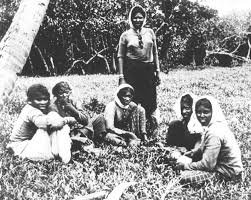
in Fiji before abolition. Wikimedia Commons
Many ex-Girmitiyas took up cane farming under the Colonial Sugar Refining Company (CSR). Others became petty traders, hawkers, and small-scale entrepreneurs. Their children, born in Fiji, had no ties to India beyond ancestral memory. They began to identify as Indo-Fijians—a new people, neither Indian nor fully accepted as Fijian.
Political Awakening After Indenture
Freedom from indenture sparked new political energy. As early as 1919, Indo-Fijians staged strikes in the cane fields to demand better pay and conditions. Leaders like Manilal Doctor, an Indian lawyer, became symbols of resistance. The first Indo-Fijian representatives entered the Legislative Council in 1929, though confined to communal seats.
The abolition thus planted the seeds of Indo-Fijian political struggle: from labour activism to demands for equal franchise, culminating in the fierce debates of the 1960s constitutional conferences.
Forging an Indo-Fijian Identity
Perhaps the deepest impact of abolition was psychological. Girmitiyas were no longer bonded strangers in a foreign land—they were settlers, with a stake in Fiji’s future. They built temples, mosques, schools, and unions. They invested in children’s education. They began to see Fiji as home, even as colonial society continued to treat them as outsiders.
This transformation from “labourers” to “citizens-in-waiting” reshaped Fiji’s politics. Indo-Fijians would become the backbone of the sugar economy, a rising class of professionals, and the loudest voice for common franchise.
Legacy of the End of Girmit
The abolition of indenture is commemorated less visibly than its beginning, yet its significance is profound. It marked the birth of the Indo-Fijian community as free people. Their resilience turned trauma into nation-building, even as their quest for equality would lead them into conflict with colonial authorities and, later, post-independence governments.
From the cane fields of 1919 to the parliamentary benches of 1970, the end of indenture was the pivot. Without it, Indo-Fijians might have remained a transient workforce. With it, they became a permanent part of Fiji, central to its struggles for democracy, liberty, and equality.