
Table of Contents
Fiji’s 1992 General Election: First Return to the Polls after the 1987 Coups
1992 was Fiji’s first national election after the 1987 military coups. It unfolded under the 1990 Constitution—a design that expanded iTaukei communal representation while reducing Indo-Fijian representation and abolishing open (cross-communal) seats. Indo-Fijian leaders denounced the rules as discriminatory; debates raged over whether to boycott or contest. In the end, the main Indo-Fijian parties entered the race—arguing that representation, even in an unequal system, was better than silence—while activism and civil resistance kept pressure on for constitutional change.
The System Fiji Voted Under (1990 Constitution)
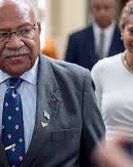
later led the SVT into the 1992 polls. Wikimedia (CC)
The House of Representatives (70 seats) was elected exclusively in single-member communal constituencies: 37 iTaukei, 27 Indo-Fijian, 5 General Electors, and 1 Rotuman. There were no open seats. Voting was simple plurality (first-past-the-post). Cabinet was formed by the party (or coalition) commanding a majority in the House.
For Indo-Fijian citizens, the design felt like an imposed ceiling on political voice. Civil society networks, unions, and student groups debated a boycott, mass non-cooperation, and international advocacy. But party strategists in the NFP and FLP also faced the blunt reality: if you refuse the ballot, someone else occupies the seat. The compromise that emerged was a two-track strategy—contest the election for representation, while contest the constitution in public and diplomatic forums.
Why the 1990 rules mattered:
- Representation was communal, not open: every MP derived from an ethnic roll.
- iTaukei plurality in the House was locked in by design.
- Reform prospects depended on cross-ethnic leadership deals forged after the vote.
Indo-Fijian Resistance — and the Choice to Contest
Indo-Fijian politics in 1992 were not a tidy “boycott vs participate” binary. Resistance was broad—letters campaigns, diaspora lobbying, union statements, and legal critique of the discriminatory framework. But participation by FLP and NFP reflected a hard lesson of communal systems: constituency service and parliamentary presence still matter to families, farmers, and workers who need an MP to call.
“The movement resisted the rules, but most Indo-Fijian voters refused political invisibility. They sent MPs to the House and kept arguing for a fairer constitution.” Community organisers’ recollections
In several Indo-Fijian seats there were calls to spoil ballots or abstain; in others the local calculus—sugar prices, leases, urban services—favoured pragmatic voting. The outcome was not a unified boycott. Rather, it was a split strategy: enter Parliament with a mandate to negotiate reforms, and keep the reform argument alive outside Parliament.
Parties and Campaign Lines
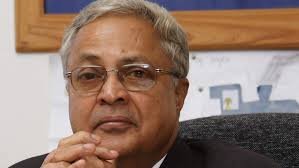
turned FLP leader Wikimedia (CC)
SVT (Soqosoqo ni Vakavulewa ni Taukei) organised as the principal iTaukei vehicle around state stability, customary protections, and a promise to normalise the post-1987 order via electoral legitimacy. Campaigning emphasised restraint, respect for chiefly institutions, and disciplined government.
NFP presented constitutional moderation and institutional repair as the path to shared stability—seeking credibility among civil servants, professionals, and small business while keeping a bridge open to iTaukei reformers. FLP leaned into workers’ rights, cost-of-living, and equity, anchoring a social-democratic critique of the system while contesting seats vigorously.
What voters weighed
- Representation vs protest: Would abstention move the dial faster than an MP at your side?
- Economic anxiety: Sugar margins, leases, urban prices, and job security.
- Security and dignity: An insistence that the state protect communities without silencing others.
Election Day and Turnout
Administration of the vote was orderly in most places; the deeper question was whether Indo-Fijian turnout would collapse. It did decline in some constituencies relative to pre-1987 patterns, but the dominant signal was continued participation. Many families could not afford a politics of absence: they still needed constituency service, casework with ministries, and a voice on leases, pensions, and policing.
Results & Immediate Aftermath
Outcome (70 seats): SVT emerged as the dominant iTaukei bloc and formed government; Indo-Fijian representation was split between NFP and FLP under the communal rules; General Electors returned UGP/Independents; Rotuman seat elected an Independent. The arithmetic reflected the system more than the aggregate popular will across communities.
“1992 made Parliament a negotiating table for a different future — not because the rules were fair, but because people chose to show up anyway.” Parliament watcher, early 1990s
Inside the House, alignment patterns were fluid, with constitutional reform never far from the agenda. Outside the House, civil society pressure widened the conversation beyond seat counts to the legitimacy of the constitutional design itself. Those twin tracks—parliamentary pragmatism and civic resistance—set the stage for the 1997 constitutional compromise that would restore open seats and a more balanced framework before the 1999 landslide.
Research Takeaways from 1992
- Design drives outcome: With only communal seats, vote–seat translation reflected the map, not national share.
- Resistance can be plural: A mix of participation and protest kept representation alive while challenging the rules.
- Bridges matter: Early contacts between reformers across communities made the 1997 settlement feasible later.
Verified: 1992 Elected Members of the House of Representatives (70)
List supplied by your project notes. Grouped by constituency type; parties as listed.
Show/hide the verified MPs table (1992)
| # | Constituency | Elected MP | Party |
|---|---|---|---|
| Indo-Fijian Communal Seats | |||
| 1 | Ba East/Tavua Rural (Indian Communal) | Tulsi Ram Khelawan | FLP |
| 2 | Ba Urban (Indian Communal) | Vinod Patel | NFP |
| 3 | Ba West (Indian Communal) | Mahendra Chaudhry | FLP |
| 4 | Bua (Indian Communal) | Raman Pratap Singh | NFP |
| 5 | Cakaudrove (Indian Communal) | Satish Chandra Gulabdas | NFP |
| 6 | Cuvu/Malomalo South/Sigatoka Urban (Indian Communal) | Gaj Raj Singh Chaudhary | FLP |
| 7 | Labasa (Indian Communal) | Shiromaniam Madhavan | FLP |
| 8 | Lami/Naitasiri South/Kadavu (Indian Communal) | Shiu Charan | NFP |
| 9 | Lautoka City (Indian Communal) | Ali Ayub Husain | NFP |
| 10 | Lautoka Rural (Indian Communal) | Jai Ram Reddy | NFP |
| 11 | Lautoka South/Veiseisei/Yasawa (Indian Communal) | Vinod Maharaj | FLP |
| 12 | Macuata East (Indian Communal) | Mohammed Latif Subedar | FLP |
| 13 | Macuata West (Indian Communal) | Rameshwar Prasad | FLP |
| 14 | Magodro/Ba Rural (Indian Communal) | K. S. Naidu | FLP |
| 15 | Malomalo North/Nadi Rural (Indian Communal) | Pradhuman Raniga | FLP |
| 16 | Nadi Urban (Indian Communal) | Dorsami Naidu | NFP |
| 17 | Nadroga East (Indian Communal) | Lekh Ram Vayeshnoi | FLP |
| 18 | Nasinu East/Rewa East (Indian Communal) | Harnam Singh Golian | NFP |
| 19 | Nasinu North/Nausori (Indian Communal) | Narendra Arjun | NFP |
| 20 | Nasinu South/Colo-i-Suva (Indian Communal) | Sayed Abdul Khaiyum | NFP |
| 21 | Navosa/Serua/Namosi/Naitasiri West/Rewa West (Indian Communal) | Maan Singh | NFP |
| 22 | Nawaka/Sabeto (Indian Communal) | Shiu Sharan Sharma | FLP |
| 23 | Ra Central (Indian Communal) | Krishna Chand | FLP |
| 24 | Suva City Central (Indian Communal) | Harilal Manilal Patel | NFP |
| 25 | Suva City Suburban (Indian Communal) | James Raghwan Raman | NFP |
| 26 | Tailevu/Ra East/Lomaiviti/Lau/Rotuma (Indian Communal) | R. S. Yadav | NFP |
| 27 | Tavua/Ra West (Indian Communal) | Anand Babla | FLP |
| iTaukei (Fijian) Communal Seats | |||
| 28 | Ba Provincial | Ovini Bokini | SVT |
| 29 | Ba Provincial | Serupepeli Naivalu | SVT |
| 30 | Ba Provincial | Etuate Tavai | SVT |
| 31 | Bua Provincial | Koresi Matatolu | SVT |
| 32 | Bua Provincial | Kavaia Tagivetaua | SVT |
| 33 | Cakaudrove Provincial | Viliame Gonelevu | SVT |
| 34 | Cakaudrove Provincial | Inoke Kubuabola | SVT |
| 35 | Cakaudrove Provincial | Sitiveni Rabuka | SVT |
| 36 | Kadavu Provincial | S. S. Finau | SVT |
| 37 | Kadavu Provincial | Apatia Seru | SVT |
| 38 | Lau Provincial | Filipe Bole | SVT |
| 39 | Lau Provincial | Finau Mara | SVT |
| 40 | Lau Provincial | Viliame Tunidau | SVT |
| 41 | Lomaiviti Provincial | Joeli Kalou | SVT |
| 42 | Lomaiviti Provincial | Maraia Vakatale | SVT |
| 43 | Macuata Provincial | Militini Leweniqula | SVT |
| 44 | Macuata Provincial | Emosi Vuakatagane | SVT |
| 45 | Nadroga & Navosa Provincial | Osea Gavidi | Soqosoqo ni Taukei ni Vanua |
| 46 | Nadroga & Navosa Provincial | Mosese Tuisawau | Soqosoqo ni Taukei ni Vanua |
| 47 | Naitasiri Provincial | Ilai Kuli | SVT |
| 48 | Naitasiri Provincial | Solomone Naivalu | SVT |
| 49 | Namosi Provincial | Ifereimi Buaserau | SVT |
| 50 | Namosi Provincial | Apenisa Kurisaqila | SVT |
| 51 | North East Urban (Fijian Communal) | Josefa Dimuri | SVT |
| 52 | Ra Provincial | Joeli Nacola | Independent |
| 53 | Ra Provincial | Kolinio Qiqiwaqa | Independent |
| 54 | Rewa Provincial | Sakiasi Butadroka | Fijian Nationalist United Front |
| 55 | Rewa Provincial | Mosese Varasikete Tuisawau | Fijian Nationalist United Front |
| 56 | Serua Provincial | Mesulame Narawa | SVT |
| 57 | Serua Provincial | Levani Tonitonivanua | Fijian Nationalist United Front |
| 58 | Serua/Rewa West Urban | Kelemedi Bulewa | SVT |
| 59 | Suva City Urban | Jonetani Kaukimoce | SVT |
| 60 | Tailevu Provincial | Josevata Kamikamica | SVT |
| 61 | Tailevu Provincial | William Toganivalu | SVT |
| 62 | Tailevu Provincial | Timoci Vesikula | SVT |
| 63 | Tailevu/Naitasiri Urban | Apolosi Biuvakaloloma | SVT |
| 64 | Western Urban (Fijian Communal) | Viliame Dreunimisimisi | SVT |
| General Electors & Rotuman | |||
| 65 | North Eastern (General Communal) | Leo Smith | UGP |
| 66 | South Eastern (General Communal) | Graeme Leung | UGP |
| 67 | Western Central (General Communal) | Bill Aull | UGP |
| 68 | Suva City (General Communal) | Kenneth Zinck | Independent |
| 69 | Lautoka (General Communal) | Clive Sharma | UGP |
| 70 | Rotuman Communal | Marieta Rigamoto | Independent |
Supplied seat/MP list used verbatim; headings added for readability.
Sources & further reading
- 1990 Constitution text and contemporary commentary.
- Party manifestos (SVT, NFP, FLP) and press reports from 1992.
- Project archives for the seat-by-seat winners (this page’s table).