Table of Contents
Fiji General Election — September 1977: The Split that Decided an Era
Fiji went to the polls for the second time in 1977 after the opposition National Federation Party (NFP) fractured into rival Flower and Dove factions. What followed was a cautionary tale in parliamentary politics: the Alliance Party of Ratu Sir Kamisese Mara returned to office with a comfortable majority, while the NFP’s historic breakthrough from March dissolved into internal mistrust, mixed signals to voters, and lost national seats. The September contest reaffirmed the power of party unity in a system that rewarded cross-ethnic appeal — and it reset the trajectory of the 1980s.
Two Elections, One Lesson
In March 1977 the NFP stunned the establishment by winning the most seats — a watershed for a party long anchored in Indo-Fijian civic life. But victory splintered almost overnight. The opposition fractured into two antagonistic currents: the NFP–Flower faction centred on veteran Siddiq Koya, and the NFP–Dove faction aligned to reformist figures including Jai Ram Reddy. Disagreement over leadership and strategy paralyzed the transition. Fiji entered a caretaker phase and then, inevitably, a fresh election in September.
The constitutional design — communal seats combined with national constituencies elected on
island-wide rolls — always demanded disciplined coalition-building. In March, the NFP’s internal conflict prevented it from consolidating a parliamentary majority and projecting nationwide confidence. By September, the Alliance and its allies had recast the contest as a referendum on stability.
“The split did not just divide a party; it divided its message — and national seats punish a broken story.” Contemporary campaign note
Quick reference: the 1970s electoral system
- Communal seats (Fijian, Indo-Fijian, General): elected by ethnic rolls.
- National seats (Fijian, Indo-Fijian, General): candidates stood under communal labels but were elected by the whole electorate, incentivising cross-ethnic appeal.
- Implication: party unity and broad credibility decided the national tier — often the kingmaker.
The Campaign: Stability vs. Schism
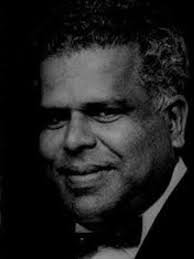
Alliance strategy was straightforward: equate the March impasse with risk and ask voters to restore calm.
The message resonated in rural Fijian areas, the General roll, and among moderates wary of protracted bargaining.
The NFP, by contrast, had to persuade a national audience while fighting a civil war at home.
Indo-Fijian communal seats remained receptive, but the competing slates muddied the party’s offer on the national tier, where broad legitimacy mattered most.
Union halls, mandalis, and professional networks in Suva and the cane belt argued the case for change. Yet the split created a credibility tax: activists had to reassure voters that a government could be formed and sustained without replaying March. Newspapers amplified the drama with duelling pressers and candidate sniping. The Alliance’s touring machine, disciplined and well-funded, exploited every misstep.
“Voters did not need to become Alliance loyalists; they only needed to doubt whether the NFP could govern.” Suva editorial, Sept 1977
Results: Alliance Returns with a Majority
The September count confirmed the structural lesson. The NFP dominated the Indo-Fijian communal seats, including marquee wins for Jai Ram Reddy, Irene Jai Narayan, and others across Ba, Nadi, Lautoka, and Suva. But the Alliance swept the Fijian communal roll (bar one independent in Nadroga–Navosa), secured all General communal seats, and — most decisively — captured the lion’s share of the national constituencies.
Seat arithmetic (52 total):
- Alliance: 36 seats
- NFP (Flower + Dove): 15 seats
- Independent: 1 seat (Osea Gavidi, Nadroga–Navosa)
Why the map broke this way
- National seats punished division: With the electorate voting across ethnic lines, the Alliance’s single, stable brand had an advantage over a split opposition.
- Fijian communal strength held: Alliance organisation in villages and provincial networks remained formidable.
- Indo-Fijian communal dominance ≠ government: NFP strength in communal seats could not offset national-seat losses.
Aftermath: Unity as a Governing Asset
The Alliance returned to government with enhanced authority, having turned a crisis into a referendum on order. Inside the NFP, the September setback hardened factional identities, even as many activists grasped the strategic error: a party cannot win national constituencies if it is simultaneously arguing over who would lead the Cabinet.
For Fiji’s political development, the episode clarified two truths that would shape the 1980s:
first, that institutional design could moderate ethnic competition but not rescue a divided party; and second, that governability — the promise of a coherent Cabinet — is itself a vote-getter. The lesson would echo into the next decade as new coalitions and, eventually, new parties sought to translate multi-ethnic support into power.
Legacy: The Cautionary Election
September 1977 became Fiji’s cautionary election. It taught organisers that arithmetic follows trust: a movement can mobilise majorities in its heartlands and still lose if it cannot sell a plausible government to the whole country.
The psychological effect on voters and elites was lasting. For some Indo-Fijian professionals, the moment seeded a search for a broader reform vehicle that would culminate in the formation of the Fiji Labour Party in 1985.
For Alliance cadres, it reaffirmed the dividends of discipline — and foreshadowed how fragile that dividend would become once social and economic pressures mounted in the early 1980s.
“The split wrote the election; the system read it aloud.” Parliament watcher’s note
Elected Members of Parliament — September 1977 (52 seats)
Grouped by constitutional seat type. Data per your verified list.
Show / hide the full MPs list
Fijian Communal Constituencies (12)
| # | Constituency | Elected MP | Party |
|---|---|---|---|
| 1 | Ba–Nadi | Napolioni Dawai | Alliance |
| 2 | Bua–Macuata | Militoni Leweniqila | Alliance |
| 3 | Cakaudrove | Jone Naisara | Alliance |
| 4 | Kadavu–Tamavua–Suva Suburban | Seci Nawalowalo | Alliance |
| 5 | Lau–Rotuma | Jonati Mavoa | Alliance |
| 6 | Lomaiviti–Muanikau | Solomone Momoivalu | Alliance |
| 7 | Nadroga–Navosa | Osea Gavidi | Independent |
| 8 | Naitasiri | Livai Nasilivata | Alliance |
| 9 | Ra–Samabula–Suva | Jone Banuve | Alliance |
| 10 | Rewa–Serua–Namosi | Tomasi Vakatora | Alliance |
| 11 | Tailevu | William Toganivalu | Alliance |
| 12 | Vuda–Yasawa | Josaia Tavaiqia | Alliance |
Indo-Fijian Communal Constituencies (12)
| # | Constituency | Elected MP | Party |
|---|---|---|---|
| 13 | Ba | Krishna Narsingha Rao | NFP–Flower |
| 14 | Ba–Lautoka Rural | Navin Patel | NFP–Flower |
| 15 | Labasa–Bua | Sarvan Singh | NFP–Flower |
| 16 | Lautoka | Jai Ram Reddy | NFP–Flower |
| 17 | Nadi | H. M. Lodhia | NFP–Flower |
| 18 | Nasinu–Vunidawa | Shiu Narayan Kanhai | NFP–Dove |
| 19 | Nausori–Levuka | K. C. Ramrakha | NFP–Flower |
| 20 | Savusavu–Macuata East | Santa Singh | NFP–Flower |
| 21 | Sigatoka | Harish Sharma | NFP–Flower |
| 22 | Suva City | Irene Jai Narayan | NFP–Flower |
| 23 | Suva Rural | Vijay Parmanandam | NFP–Dove |
| 24 | Tavua–Vaileka | Ram Sami Goundar | NFP–Dove |
General Communal Constituencies (3)
| # | Constituency | Elected MP | Party |
|---|---|---|---|
| 25 | Northern & Eastern | Hugh Thaggard | Alliance |
| 26 | South–Central | William Yee | Alliance |
| 27 | Western | Frederick William Caine | Alliance |
Fijian National Constituencies (10)
| # | Constituency | Elected MP | Party |
|---|---|---|---|
| 28 | East Central | Penaia Ganilau | Alliance |
| 29 | Lau–Cakaudrove–Rotuma | Kamisese Mara | Alliance |
| 30 | North-Central | Serupepeli Naivalu | Alliance |
| 31 | North-Eastern | Sakiasi Waqanivavalagi | Alliance |
| 32 | North-Western | Julian Toganivalu | NFP–Flower |
| 33 | South-Central (Suva West) | David Toganivalu | Alliance |
| 34 | South-Eastern | Semesa Sikivou | Alliance |
| 35 | South-Western | Isikeli Nadalo | NFP–Flower |
| 36 | Suva East | Mosese Qionibaravi | Alliance |
| 37 | Vanua Levu North & West | Josefa Iloilo | Alliance |
Indo-Fijian National Constituencies (10)
| # | Constituency | Elected MP | Party |
|---|---|---|---|
| 38 | East Central | K. R. Latchan | Alliance |
| 39 | Lau–Cakaudrove | James Shankar Singh | Alliance |
| 40 | North-Central | Eqbal Mohammed | Alliance |
| 41 | North-Eastern | Ishwari Prasad Bajpai | Alliance |
| 42 | North-Western | Jai Raj Singh | NFP–Flower |
| 43 | South Central | P. K. Bhindi | Alliance |
| 44 | South-Eastern | K. S. Reddy | Alliance |
| 45 | South-Western | Vivekanand Sharma | Alliance |
| 46 | Suva East | Mohammed Ramzan | Alliance |
| 47 | Vanua Levu North & West | Shree Ramlu | Alliance |
General National Constituencies (5)
| # | Constituency | Elected MP | Party |
|---|---|---|---|
| 48 | Eastern | Charles Walker | Alliance |
| 49 | Northern | Daniel Costello | Alliance |
| 50 | Southern | Charles Stinson | Alliance |
| 51 | Vanua Levu–Lau | Ted Beddoes | Alliance |
| 52 | Western | Bill Clark | Alliance |
Sources & notes
- Seat list supplied by your project data (compiled by constituency and party label).
- Contemporary press coverage and parliamentary records on the March–September 1977 sequence.
- Secondary syntheses from Fiji political histories (1970s–1980s) for narrative context.