
Table of Contents
1999–2000: Chaudhry’s Victory and the Speight Coup
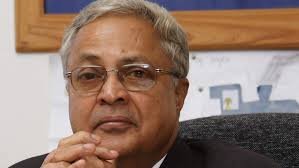
In May 1999, Indo-Fijians made history. Mahendra Chaudhry, a fiery trade unionist and leader of the Fiji Labour Party (FLP), became Fiji’s first Indo-Fijian Prime Minister. For the descendants of Girmitiyas, it was the pinnacle of a century-long struggle for equality. But less than a year later, on 19 May 2000, gunmen stormed Parliament, took Chaudhry and his Cabinet hostage, and unleashed months of chaos. The Speight coup not only toppled Fiji’s most inclusive government but also deepened the wounds of division and mistrust.
The 1999 Election: A Landslide for Change
The election of 1999 was the first held under the progressive 1997 Constitution. It allowed a multi-ethnic Cabinet and guaranteed human rights protections. Chaudhry’s FLP built a coalition with indigenous parties, promising land reform, economic justice, and clean governance. Voters delivered a landslide: the FLP won 37 of the 71 seats, ending decades of Alliance and SVT dominance.
For Indo-Fijians, Chaudhry’s rise was monumental. After years of exclusion under the 1990 Constitution, they had helped elect a government that reflected Fiji’s diversity and aspirations for equality. The symbolism was profound: an Indo-Fijian was now at the helm of the nation.
Challenges in Power
Chaudhry’s government faced immediate resistance. Indigenous landowners feared his land lease reform proposals would weaken their power. Business elites accused him of being too radical. Within months, opposition parties, some chiefs, and elements of the military began portraying his government as a threat to indigenous rights.
Despite this, Chaudhry pressed on with reforms—raising wages, improving social services, and tackling corruption. His Cabinet included indigenous and minority leaders, making it the most multi-ethnic government Fiji had ever seen. But the backlash was mounting.
19 May 2000: The Storming of Parliament
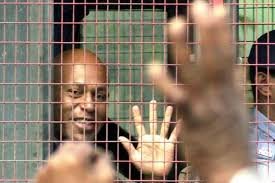
On the morning of 19 May 2000, gunmen led by George Speight, a failed businessman, stormed Parliament in Suva. Armed with assault rifles and supported by renegade soldiers from the Counter Revolutionary Warfare Unit, they took Chaudhry and 42 MPs hostage. For 56 days, the government of Fiji was held captive inside the parliamentary complex.
Speight declared he was acting to defend indigenous rights. In reality, the coup was fuelled by opportunism, elite rivalries, and resentment of Indo-Fijian political success. Across Fiji, Indo-Fijian shops and homes were looted, and families lived in fear of violence.
The Aftermath
The coup plunged Fiji into chaos. The 1997 Constitution was abrogated. Violence spread, particularly in rural areas where Indo-Fijian cane farmers were attacked and evicted. The economy collapsed, with tourism and investment evaporating. After weeks of crisis, the military intervened, arrested Speight, and installed an interim government. But the damage was done: Fiji’s image as a democratic, multi-ethnic nation was shattered.
Chaudhry was released from captivity but never restored to office. For Indo-Fijians, the message was chilling: even when the Constitution guaranteed equality and the ballot box delivered victory, their leadership could still be overturned by force.
Consequences for Indo-Fijians
- Mass Displacement: Many Indo-Fijians fled rural areas where they faced intimidation and land evictions.
- Migration Wave: Tens of thousands emigrated after 2000, accelerating the Indo-Fijian diaspora worldwide.
- Political Disillusionment: The hope of the 1997 settlement collapsed, leaving many Indo-Fijians cynical about Fiji’s democracy.
- Rise of New Leaders: Chaudhry remained a central figure, but younger leaders began to emerge, preparing for future battles.
Legacy of 1999–2000
The election of Mahendra Chaudhry in 1999 was a historic high point: the first time an Indo-Fijian led the government of Fiji. But the coup of 2000 was one of the community’s darkest hours. It reinforced the vulnerability of Indo-Fijians in a political system where their equality was conditional, not guaranteed.
Yet the events also underscored Indo-Fijian resilience. Despite violence and betrayal, the community rebuilt, continued to educate its children, and contributed to Fiji’s economy and culture. The struggle for dignity carried on.
In the end, 1999–2000 remains a cautionary tale: democracy without trust is fragile, and equality without protection is an illusion. For Indo-Fijians, it was both a triumph and a tragedy—a reminder of how far they had come, and how far there was still to go.