
Table of Contents
2006–2013: Bainimarama’s Coup and the New Constitution
On 5 December 2006, Commodore Frank Bainimarama, Commander of the Republic of Fiji Military Forces, staged a coup—the fourth in less than two decades. He claimed he was ending corruption and racial politics. For Indo-Fijians, the coup was paradoxical: another blow to democracy, yet also the beginning of long-sought reforms. In 2013, Bainimarama imposed a new constitution that finally ended communal voting and declared all citizens equal as “Fijians.” The journey from coup to constitution reshaped Indo-Fijian political life, but at a cost to freedom and trust.
The Road to the 2006 Coup
After the 2000 Speight coup, Fiji returned to civilian rule under the Soqosoqo Duavata ni Lewenivanua (SDL), led by Prime Minister Laisenia Qarase. His government pursued policies favouring indigenous interests, including controversial bills that sought amnesty for coup perpetrators and affirmative action programs that Indo-Fijians viewed as discriminatory.
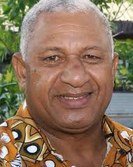
Bainimarama, who had presented himself as guardian of the state during the 2000 crisis, clashed with Qarase. By late 2006, tensions exploded. On 5 December, Bainimarama led soldiers into Suva, deposed Qarase, and assumed executive authority. It was Fiji’s first coup justified in the language of anti-racism.
The Coup and Its Aftermath
Bainimarama dissolved Parliament, dismissed judges, and ruled by decree. Political parties were muzzled, media censored, and critics harassed. Many Indo-Fijians welcomed his rhetoric of equality but feared the erosion of democratic freedoms. Indo-Fijian leaders such as Mahendra Chaudhry briefly joined Bainimarama’s interim Cabinet, but alliances quickly soured.
For ordinary Indo-Fijians, the coup was double-edged: it removed policies they saw as racially biased, but it replaced democracy with authoritarian rule.
The 2013 Constitution: Equality Imposed
In 2013, after years of military rule, Bainimarama promulgated a new Constitution. It was not the product of wide consensus—the earlier draft prepared by Professor Yash Ghai had been scrapped. But it contained provisions Indo-Fijians had long demanded:
- One National Roll: Communal voting was abolished. Every citizen voted on a single national list.
- Equal Citizenry: All were declared “Fijians,” removing ethnic labels from legal identity.
- Bill of Rights: Comprehensive protections for speech, religion, and equality were enshrined—though restricted by limitations clauses.
For Indo-Fijians, this was a breakthrough. After decades of communalism, their votes were finally equal. No longer would ethnicity predetermine seats. Many saw it as the fulfilment of A.D. Patel’s vision of “One Man, One Vote.”
The Indo-Fijian Perspective
The 2013 Constitution created mixed feelings. On one hand, it gave Indo-Fijians long-denied equality in law. On the other, it came through a coup, not democratic consensus. Critics argued that the gains for equality were undermined by the loss of democratic legitimacy. Many Indo-Fijians embraced the reforms but remained wary of the authoritarian methods that delivered them.
Still, the political landscape shifted. Bainimarama’s new party, FijiFirst, drew strong Indo-Fijian support in the 2014 and 2018 elections, showing how deeply the community valued the end of communal voting.
Legacy of 2006–2013
The 2006 coup and 2013 Constitution remain controversial. For some, Bainimarama rescued Fiji from racial politics; for others, he entrenched military authoritarianism. For Indo-Fijians, the period is remembered as a strange paradox: a dictatorship that delivered long-sought equality. It vindicated their century-long fight for common roll but also revealed the fragility of democracy in Fiji.
Ultimately, this chapter showed the complexity of Indo-Fijian destiny: progress often came not through ballots but through upheaval. Equality was finally won on paper, but at the cost of freedom. The struggle for true democracy, inclusive and accountable, continued.